University Horticulture Report Confirms: Store-Bought Potting Mix Stops Feeding Houseplants After Just 6 Months — And The Overlooked Reason They Never Thrive
Published Feb 12, 2026 2:31pm
A university extension report confirmed what most plant owners are never told at the store: the potting mix in your planter only carries about 3 to 6 months of nutrients — and once it runs out, your plant is living on water alone.
Not because you did anything wrong. Because there was almost nothing in it to begin with.
Every watering after that point delivers zero nutrition. Worse — it actively drains what little is left. Which is why most houseplants slowly decline after coming home from the store and never get to show their full potential.
Here's what the report actually says — and what experienced plant parents are doing about it.
Based on findings from the Oklahoma State University Extension report on houseplant nutrient management.
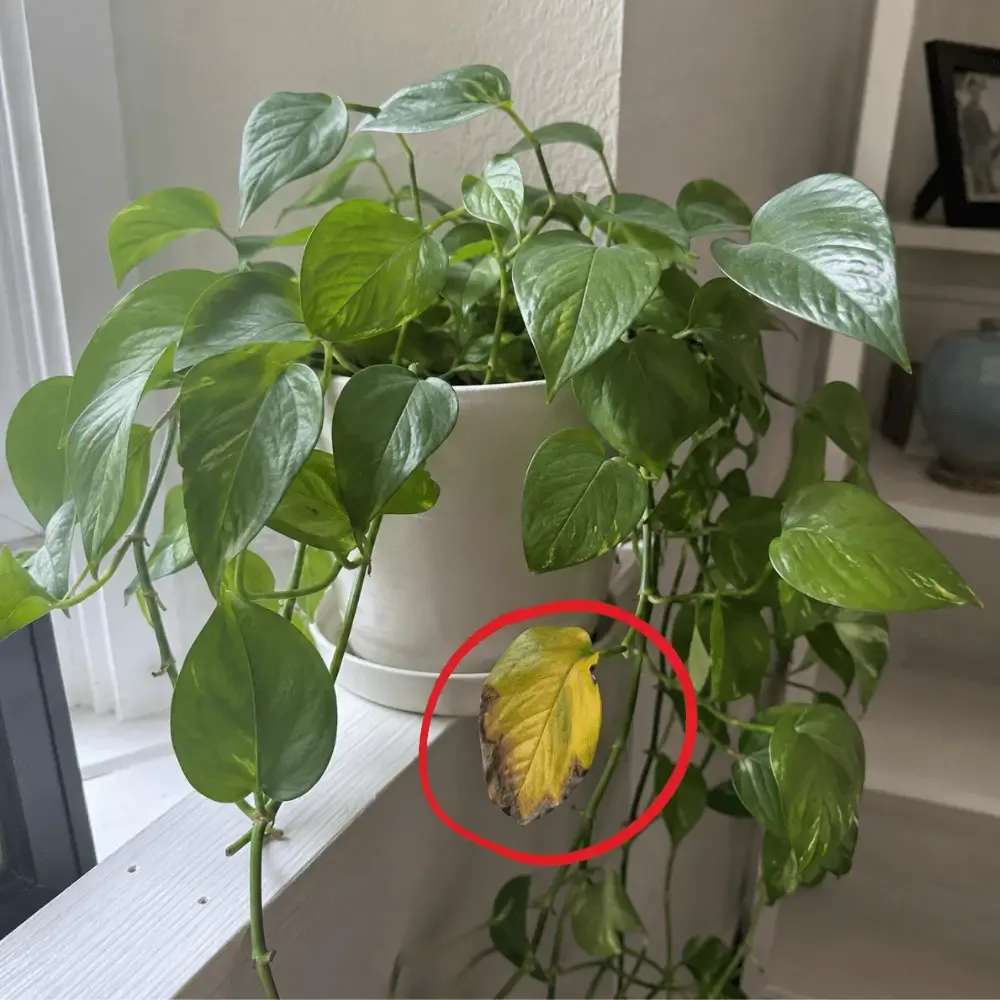
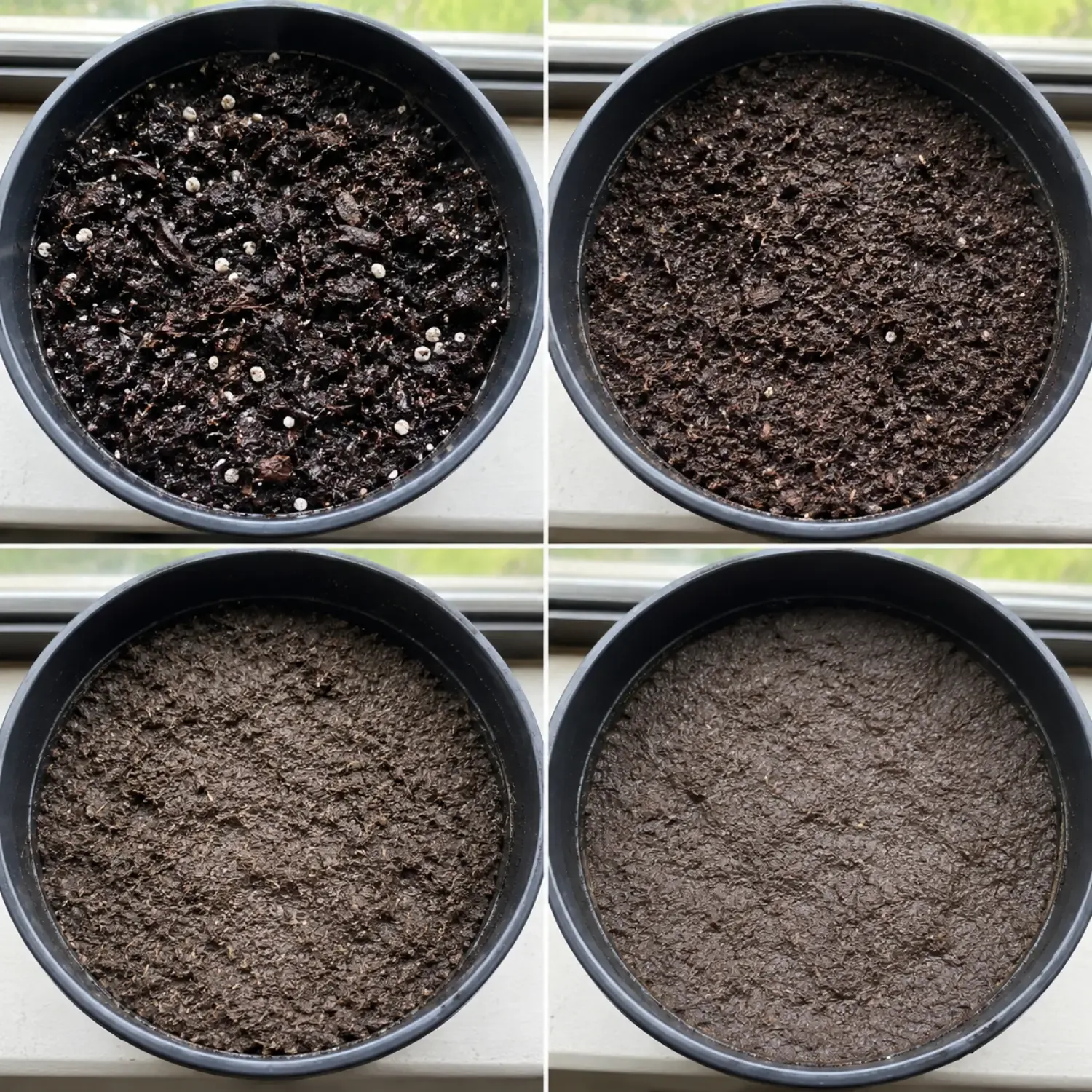
The Countdown That Starts at the Store
From the Day You Bring a Plant Home, Its Soil Is Already Running Out
The university report confirmed what the plant aisle never mentions: commercial potting mix isn't soil. It's a sterilized growing medium with a small factory dose of starter fertilizer mixed in at the bagging plant.
That dose is finite. It starts depleting with the very first watering — and nothing in the pot ever replaces it.
Here's how it plays out:
The plant looks incredible. It's still running on the factory starter dose. New leaves, rich color. This is the version of the plant you thought you were buying.
The starter dose runs out. Growth quietly slows. Nothing looks wrong yet — the plant is now coasting on internal reserves, pulling nutrients out of its own older leaves to keep going.
Watering drains the little that's left. Each time water runs through the pot, it picks up the last traces of nutrition and carries them out the drainage holes. The "good thorough watering" you were told to do pulls more out every time.
The decline sets in. Older leaves yellow and drop. New leaves come in smaller and paler. The plant stops growing entirely — and its owner starts wondering what they did wrong.
The Mistake Almost Every Plant Parent Makes
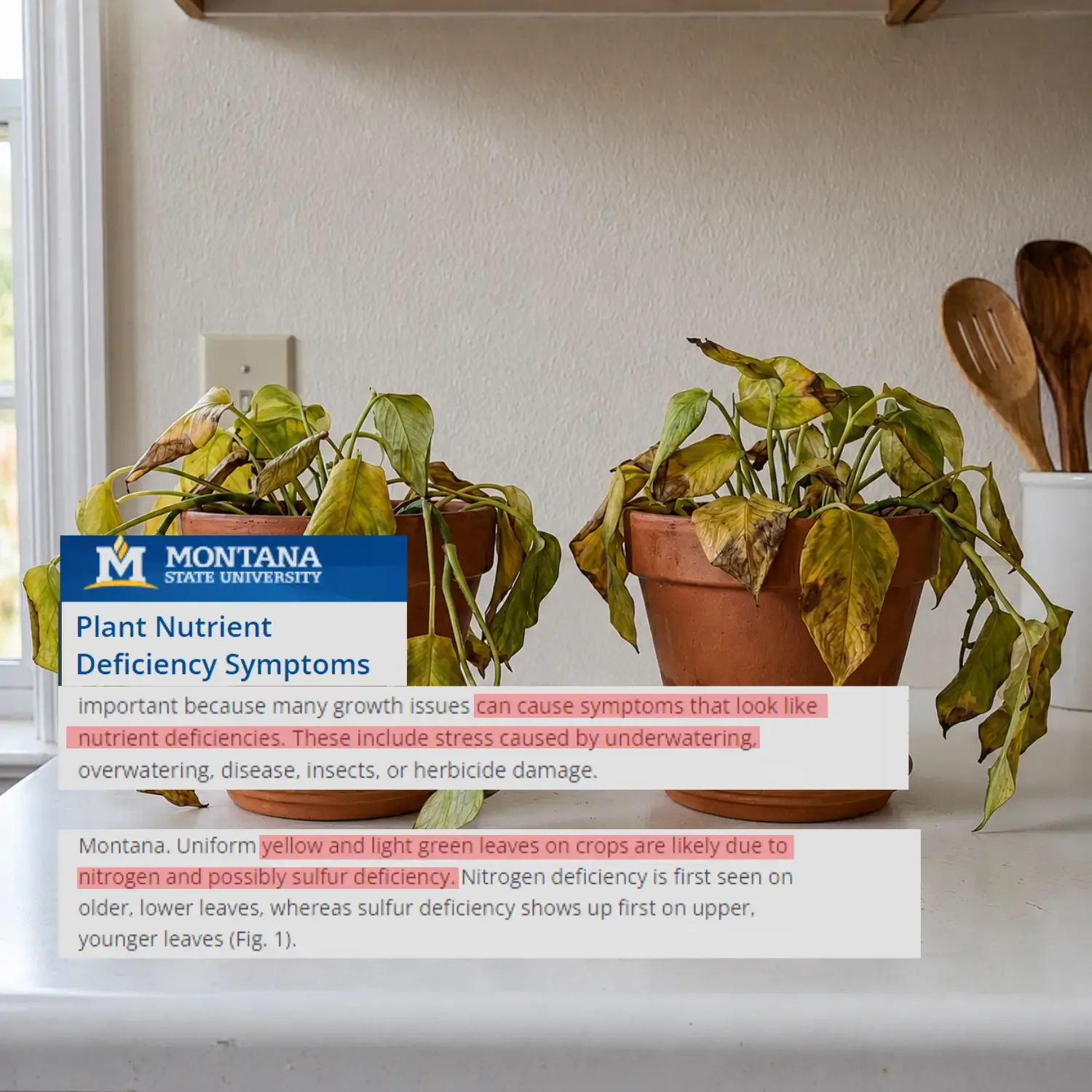
A Starving Plant Looks Exactly Like a Thirsty Plant
When the decline starts, almost every plant parent responds the same way. Yellowing leaves, drooping stems, no growth — that's a plant asking for water. So they water it.
But those signals don't mean what everyone thinks they mean.
Yellowing leaves — the #1 sign of nitrogen deficiency.
Drooping stems — the #1 sign of potassium deficiency.
Stalled growth — the #1 sign of phosphorus deficiency.
The symptoms of starvation and thirst are nearly identical. So the plant gets watered more. And more. Into soil that has nothing left to give.
And that's when the real damage happens. Waterlogged soil suffocates the roots and invites root rot — the single most common way houseplants die. Not neglect. Not bad light. Care, pointed at the wrong problem.
The instinct that's supposed to save the plant is usually what finishes it.
How Experienced Plant Parents Feed Their Plants
The Liquid Formula That Feeds Through Every Watering
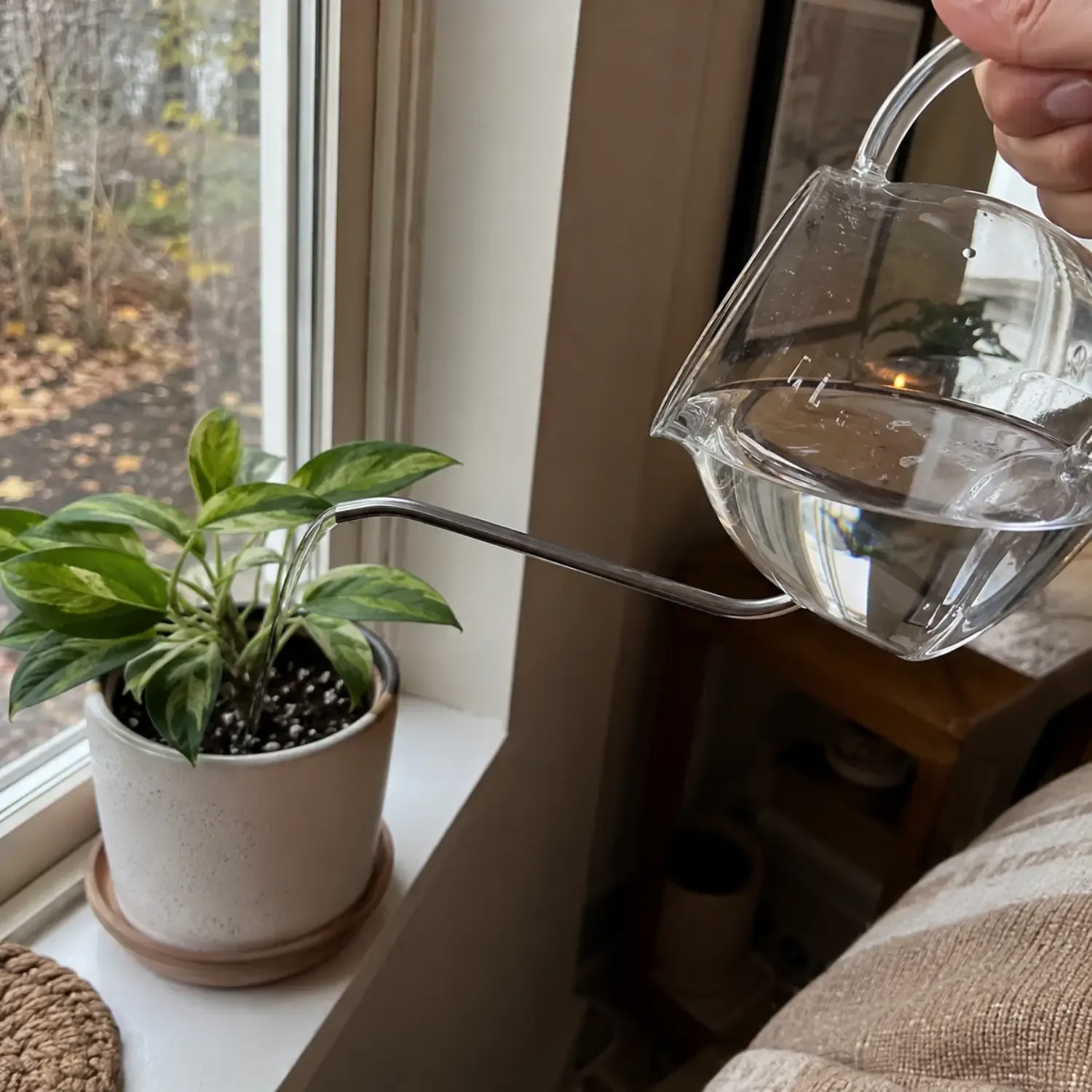
BloomaCare dissolves completely into the water you already give your plants — premium nutrition in the form roots drink, arriving with every single watering. And since most houseplants have been running on empty for months, the first few weeks of real feeding are where the biggest change shows up.
Here's what the first six weeks look like:
Week 1: Color comes back first
The green deepens. Leaves stop looking flat. That's chlorophyll rebuilding — built from nitrogen, with iron and magnesium at the core of every green molecule. Most formulas skip both.
Week 3: New growth
A leaf that hadn't moved in months starts to unfurl. Stems push longer. That's phosphorus — the nutrient every new cell is built out of — with zinc and manganese driving the growth hormones that wake those buds up.
Week 6: The plant holds
Stems stand on their own. Leaves stop drooping. That's potassium regulating water and strength, with calcium building the cell walls that let the plant support itself.
The result:
It goes into the watering you already do — so your plants get consistent nutrition, every time.
See Why Thousands of Plant Parents Trust BloomaCare.
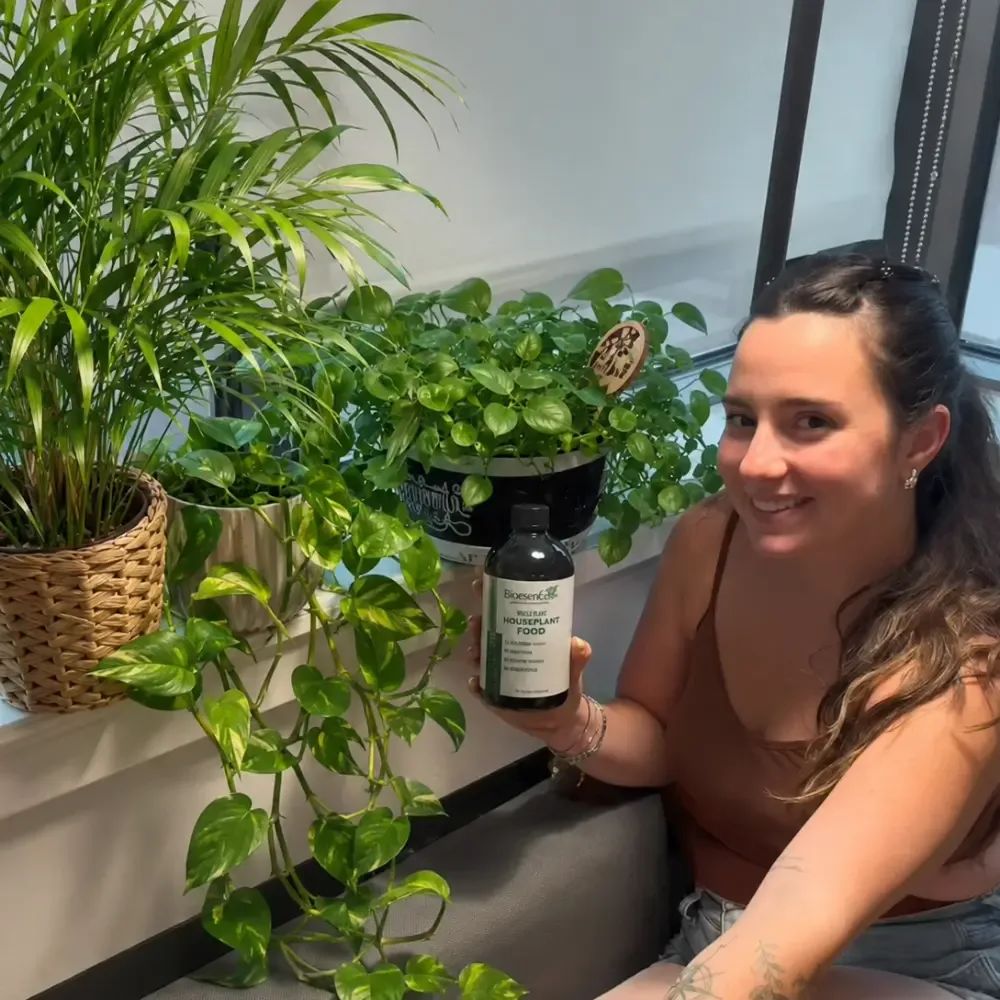
"I'M NOT A PLANT PERSON. I JUST GOT TIRED OF THROWING THEM AWAY."
I don't have a greenhouse or a watering schedule or any of that. But I've bought enough plants that looked great for a few months and then slowly fell apart to know something wasn't adding up. Now it goes in the watering can once a week and that's the whole routine. The plants took care of the rest. That's exactly what I wanted.
Susan B., Idaho
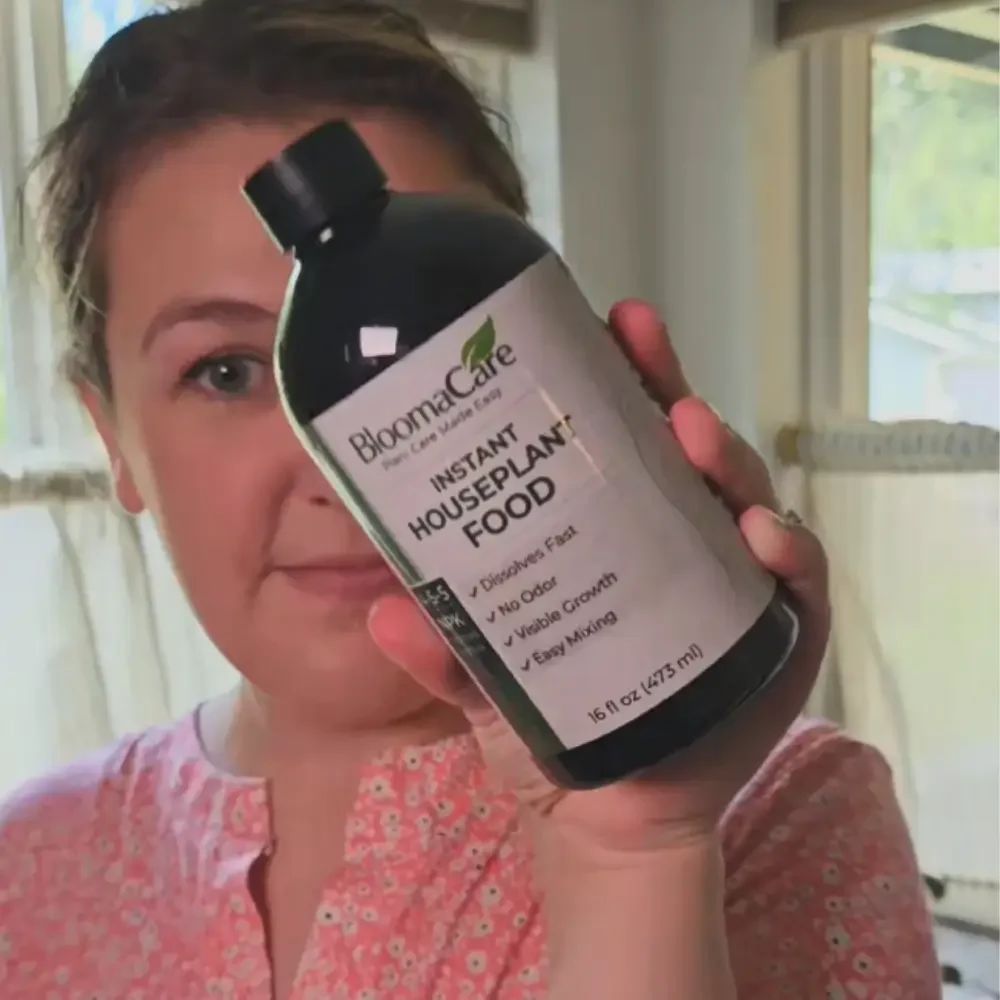
"TRIED IT ON MY WORST PLANT FIRST. IT'S NOW MY BEST."
I've used fertilizer before and saw absolutely nothing, so I was skeptical. Gave it to a pothos I was about a week from throwing out, just to see. Three weeks later it had new leaves coming in and I ordered a second bottle.
Sammy J., Tennesee
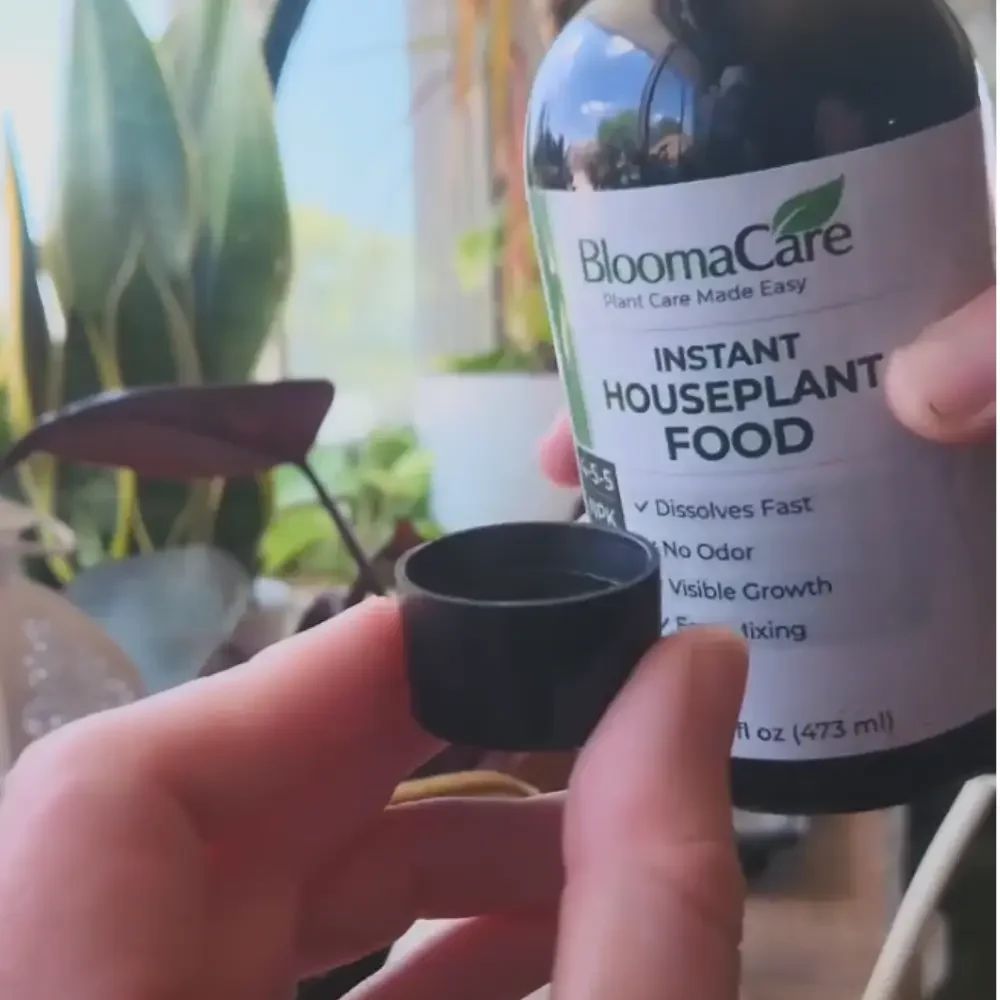
"EVERY PLANT IN THE HOUSE GETS IT NOW. MY MOM'S PLANTS TOO."
My husband thought I was wasting money on another plant product when I bought it. Then the fiddle leaf he kept telling me to throw out put out four new leaves and now he's the one pointing it out to guests. It goes in every can I pour, and I got a bottle for my mom after she asked why my plants suddenly look like this. Safe around the dog too, which was the thing I always worried about with this stuff
Olivia V., Texas
THE #1 ALL-IN-ONE NUTRITION FOR HOUSEPLANTS
Most houseplants spend their whole lives running on empty water, declining slowly while their owners blame themselves.
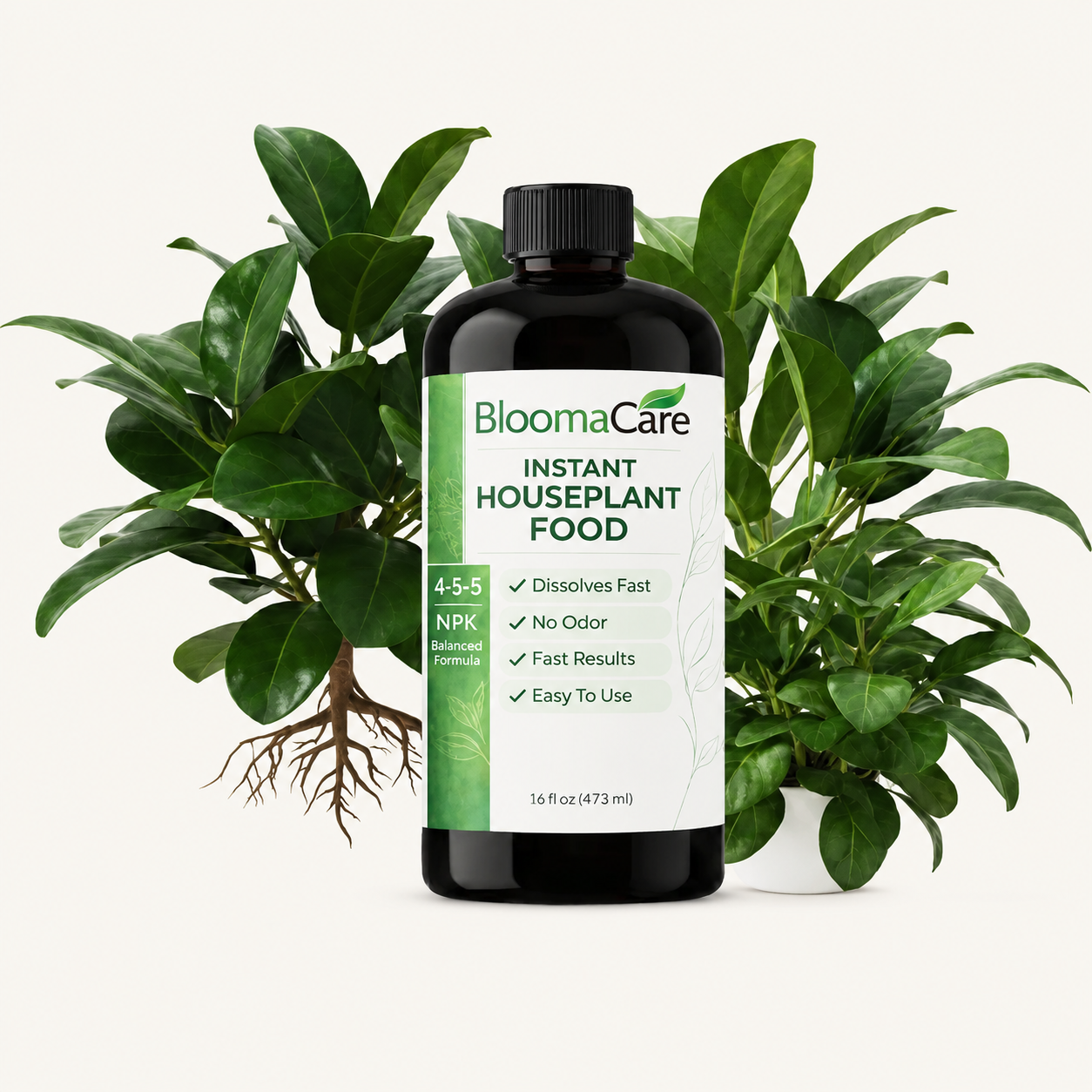
BloomaCare is a water-soluble, plant-based formula that turns the watering you already do into complete nutrition. Full 4-5-5 NPK plus calcium, magnesium, iron, and 12+ micronutrients your plants have been missing, absorbed from the very first pour.
17,000+ plant parents feeding their plants · Sale ending soon · Free shipping nationwide
Frequently Asked Questions
READY TO BECOME A PLANT PARENT WHOSE PLANTS SHOW IT?
GIVE YOUR PLANTS WHAT THEY'VE BEEN MISSING
You've seen the research. You know why they decline — and it was never you. The next watering can be the first one that actually feeds them.